
The Power of Journaling: A Simple Tool for Self-Reflection
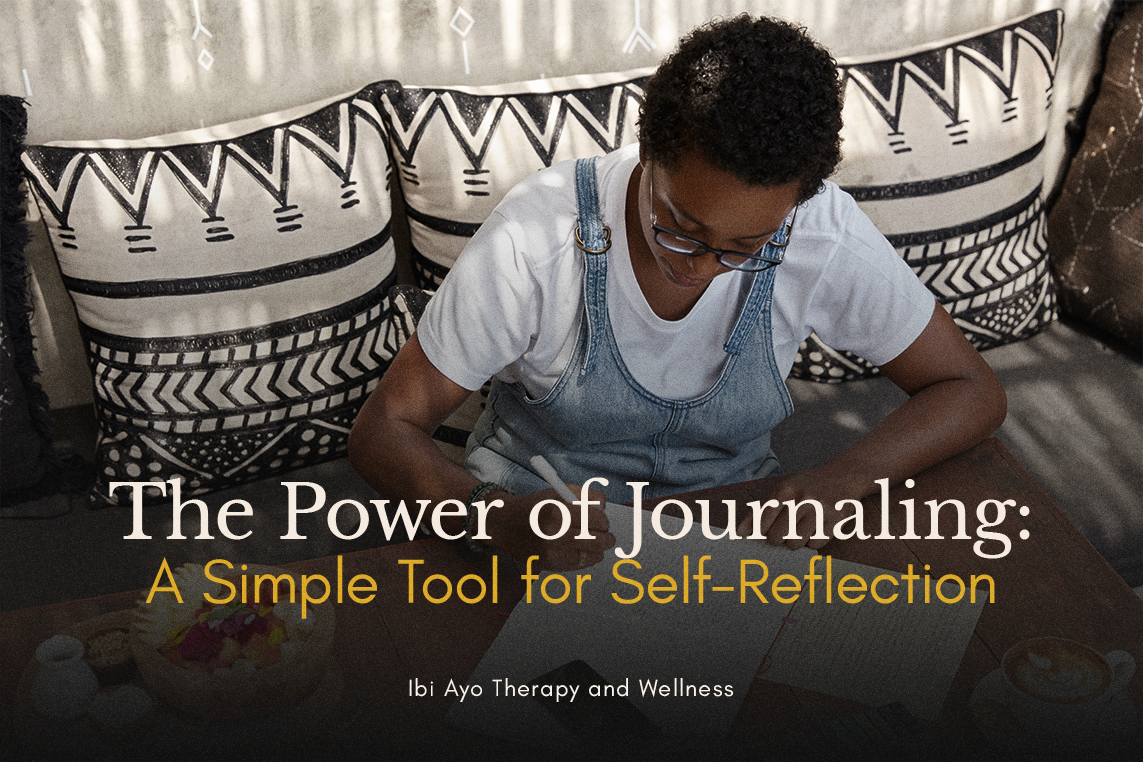
In today's fast-paced world, it's easy to get caught up in the hustle and bustle of daily life. Our minds can become overwhelmed with thoughts, worries, and to-do lists, leaving us feeling drained and uncertain. However, there is a simple yet powerful tool that can help you navigate life's challenges and gain clarity: journaling.
What is Journaling?
Journaling is the act of writing down your thoughts, feelings, and experiences. It's a personal and flexible way to express yourself, reflect on your life, and gain insight into your thoughts and behaviors. Journaling can take many forms, from writing in a traditional notebook to typing on your phone or computer.
Why Journaling Helps
1. It Eases Stress and Anxiety
Writing things out helps release the emotions you’re holding inside. It gives you a way to process overwhelm and reconnect with calm.
2. It Builds Self-Awareness
Journaling allows you to notice patterns—your reactions, triggers, joys, and fears. Over time, you start seeing yourself more clearly.
3. It Supports Reflection and Problem-Solving
When you step back and put your thoughts on paper, solutions feel easier to find. Journaling helps you see situations from different angles.
4. It Sparks Creativity
Whether you’re brainstorming, doodling, or exploring ideas, journaling opens the door to imagination.
5. It Encourages Personal Growth
Tracking your thoughts, feelings, and goals helps you see how far you’ve come. It builds self-discipline and a stronger sense of direction.
How to Start Journaling
1. Pick a Journal That Feels Good to You
A notebook, a notes app, or a digital journaling platform, choose whatever feels easiest.
2. Create a Simple Routine
A few minutes in the morning or before bed is enough. Consistency matters more than timing.
3. Begin Anywhere
There’s no wrong way to start. Write about your day, your emotions, or something that’s been on your mind.
4. Experiment with Different Techniques:
Try different journaling techniques, such as stream-of-consciousness writing, prompts, or drawing.
Tips for Effective Journaling
One of the easiest ways to get started with journaling is by using prompts. Prompts can guide your thoughts, spark reflection, and help you explore your emotions and experiences more deeply.
Try these prompts to get started:
What are three things I’m grateful for today?
What challenged me this week, and what did I learn from it?
How am I feeling right now, and why?
What is one small goal I want to accomplish tomorrow?
What is a fear or worry I’d like to release?
Experiment with different prompts and see which ones help you reflect the most. Over time, you may even create your own prompts tailored to your life and growth.
Journaling is a powerful tool for self-reflection, personal growth, and stress relief. By incorporating journaling into your daily routine, you can gain a deeper understanding of yourself, develop greater self-awareness, and cultivate a more positive and resilient mindset. So why not give it a try? Grab a journal, and start writing your way to a more reflective and fulfilling life.
Start Your Journaling Journey
Ready to explore the power of self-reflection? Our Journaling Guide is the perfect place to begin. Inside, you’ll find guided prompts, tips for building a consistent habit, and inspiration to help you reflect, process emotions, and track your personal growth.
Take the first step today and discover how journaling can support your well-being and personal growth.
References
King, L. A. (2001). The health benefits of writing in positive affect. Advances in Psychiatric Treatment, 7(5), 334-339.
Seligman, M. E. P., & Peterson, C. (2003). Positive clinical psychology. Positive Psychology, 1(1), 10-15.