
Gen Z and Mental Health: Why We’re the Most Open (Yet Struggling) Generation
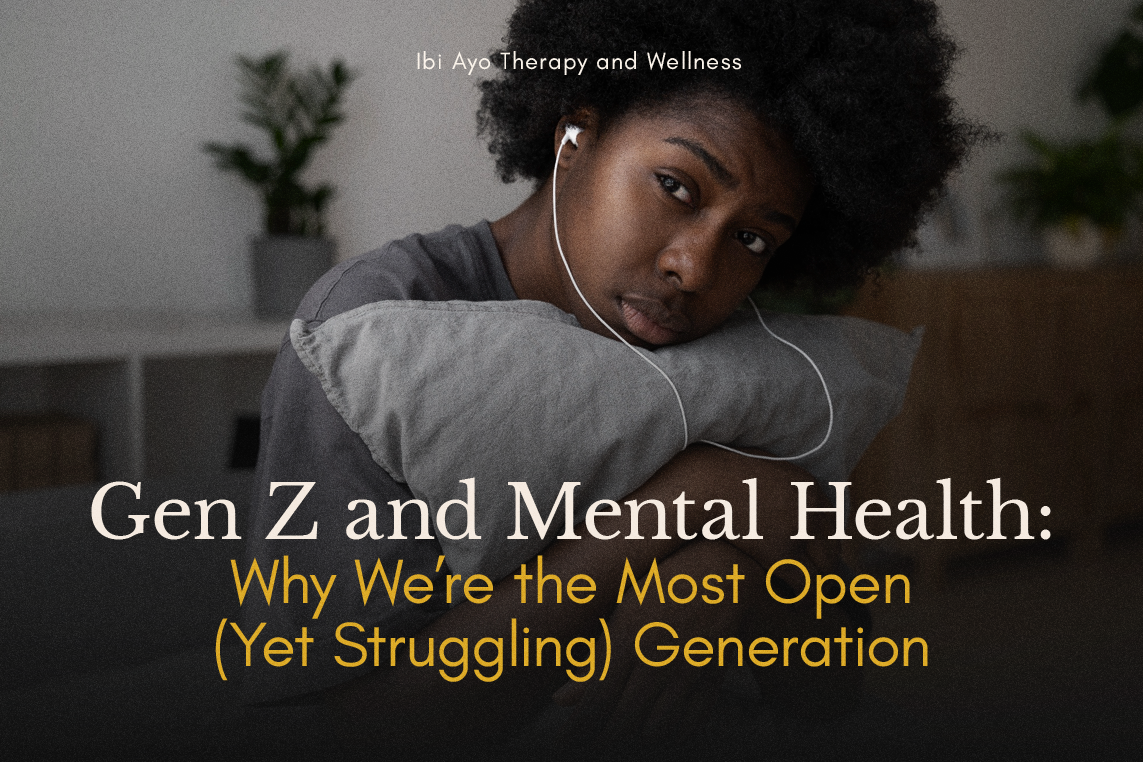
Gen Z — born roughly between 1997 and 2012- is often described as the most mentally strained yet emotionally open generation in history.
We talk about anxiety, depression, therapy, and trauma more freely than any generation before us. We create safe spaces and judgment-free environments. But here’s the irony: even with this growing openness, our mental health struggles are at an all-time high.
So, why is this happening?
1. The Double-Edged Sword of Social Media
Gen Z grew up online. Platforms like Instagram, TikTok, and X are spaces for connection, creativity, and advocacy, but they’re also hotspots for comparison, perfectionism, and overstimulation.
Additionally, social media is not what it used to be — gone are the days of simple selfies with friends, now it all feels like a competition; who has the freshest drip, the loudest vacation or the most “soft life” aesthetic.
Constant exposure to perfect or curated highlights of others' lives makes it easy to feel like we’re falling behind or not doing “enough.” Even positive content can be overwhelming when it’s endless. Seeing everyone graduate, go on countless trips, win awards, and get job promotions — it can feel depressing if you’re not where you want to be in life yet.
2. Loss of Community
Despite the illusion of being constantly "plugged in," we’re facing a global loneliness crisis. Real-life socialising has significantly declined.
Instead of gathering in person, many of us scroll in silence, exchanging likes and comments that can never replace genuine human interaction.
Friendships have become more fragmented, community feels way harder to access, and hyper-independence has become a survival strategy for many.
This isolation leaves us more vulnerable to depressive thoughts. When we don’t feel seen or connected in real life, our minds can spiral. Loneliness isn’t just a passing feeling, it’s a serious mental health risk. And ironically, in a world that’s more connected than ever, so many of us feel disconnected.
3. Growing Up in an Unstable World
We’ve come of age during global instability: climate anxiety, economic uncertainty, mass shootings, pandemics, and political unrest are part of our everyday reality.
It’s hard to plan for the future when the present feels so unpredictable. The chronic stress of navigating a world in crisis has left many of us feeling burned out before we’ve even begun.
One of the most pressing sources of stress is the economy.
Unlike previous generations, many Gen Zers are struggling to hit traditional milestones like buying a house, owning a car, or even moving out of their parents’ homes, not because of a lack of ambition, but because of skyrocketing costs and wages that are not growing.
In Nigeria, it's common for Gen Zers to have more than one job — having a “side hustle” is as natural as drinking water. While it’s admirable to pursue another profession on the side, the pay out is never on par to the amount of work being put in. This leads to burnout which will inevitably affect one's mental health. Simply stating — you can’t “out-hustle” an economy that’s struggling.
The dream of financial independence feels almost impossible.
The pressure to “succeed” in a system that feels rigged breeds anxiety, burnout, and hopelessness. It’s quite clear that economic insecurity is deeply tied to mental health- when basic needs like stable housing, healthcare, and employment feel uncertain, it’s incredibly difficult to feel safe or mentally well.
4. Breaking Generational Cycles
Unlike past generations (Millennials, Gen X, Boomers), Gen Z is more willing to confront and heal from generational trauma, whether it’s related to mental illness, toxic family patterns, racism, or gender inequality.
However, healing is hard work especially in a Nigerian society. Imagine how difficult it is to set boundaries with your traditional Yoruba parents. Gen Zers appear to be the first generation attempting to dismantle toxic patterns that are interwoven into our cultural practices.
The mental gymnastics and precaution that has to be taken just to make sure you don’t come across as ungrateful or rude when addressing family is draining in itself. Trying to fix what previous generations ignored or passed down while building a better future at the same time is mentally and emotionally draining. We’re doing the right thing, but it can be mentally exhausting at times.
So, What Now?
First, if you’re struggling: that’s valid. You are not weak or broken. You’re a human living through intense times.
Here are a few reminders and coping strategies:
Set digital boundaries – Unfollow accounts that drain you, limit screen time, and take social media breaks.
Seek connection IRL (In real life) – Loneliness fuels mental health issues. Invest in friendships, community, and safe spaces.
Therapy is strength, not shame – Whether it’s talk therapy, group support, or self-guided tools, help is out there.
Rest is resistance – You don’t have to earn rest. Prioritise sleep, downtime, and joy without guilt.
We’re dealing with a lot, but with the right tools and support, we can take care of ourselves and each other.
References
Digital Methods for the Spiritual and Mental Health of Generation Z: Scoping Review (Park et al 2024)
An Overview of Generation Z’s Mental Health. (Poba 2024)