
Imposter Syndrome in a Professional Setting: You Are Not A Fraud
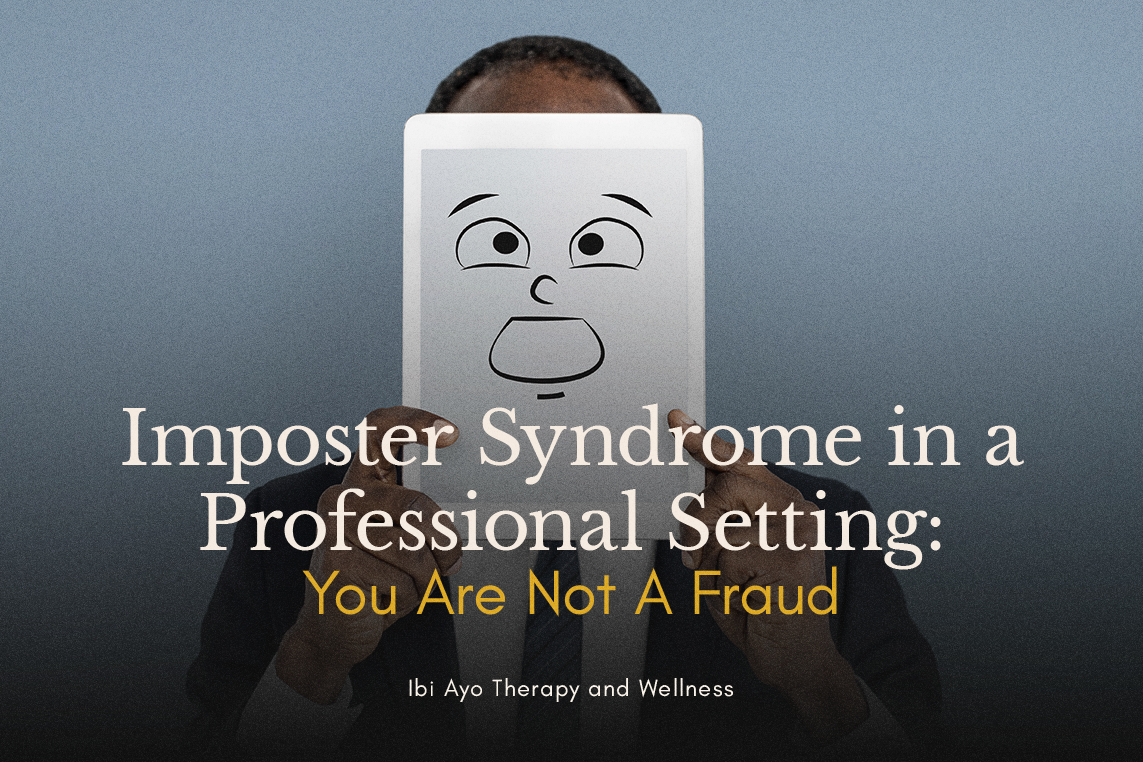
Imposter syndrome is a psychological pattern in which individuals doubt their accomplishments and have a persistent fear of being exposed as a "fraud" despite evidence of their competence. In professional settings, this phenomenon can be particularly pervasive, affecting people across industries, job levels, and experience. It is not a clinical diagnosis, but it is a common experience that can impact mental health, job performance, and career progression.
What Is Imposter Syndrome?
Imposter syndrome refers to an internal experience of believing that you are not as competent as others perceive you to be. People with imposter syndrome often attribute their success to luck, timing, or external factors rather than their own abilities or effort. They may feel that they have forced their way into their current position and fear that others will discover they are not as capable as they appear.
The term was first coined in 1978 by psychologists Pauline Clance and Suzanne Imes, who initially studied high-achieving women. Since then, research has shown that imposter syndrome affects people of all genders, ages, and backgrounds. It is especially common in environments where performance is highly visible, such as competitive workplaces, academia, and leadership roles.
How Imposter Syndrome Manifests in Professional Settings
In the workplace, imposter syndrome can show up in various ways. Some people may overprepare for meetings or presentations, spending excessive time on tasks to avoid making mistakes. Others may avoid seeking promotions or new responsibilities because they doubt their ability to handle them.
Common behaviors include:
- Perfectionism: Setting extremely high standards and feeling disappointed even when performance is strong.
- Overworking: Putting in extra hours to compensate for perceived inadequacies.
- Avoiding new challenges: Hesitating to take on new projects or roles due to fear of failure.
- Discounting praise: Dismissing compliments or positive feedback as undeserved.
- Fear of exposure: Worrying that others will discover they are not as competent as they seem
Strategies for Overcoming Imposter Syndrome in the Workplace
1. Recognize and Acknowledge the Feeling
The first step is to identify imposter syndrome when it arises. Naming the experience can help reduce its power. Understand that many successful people experience these feelings, and it does not reflect actual ability.
2. Reframe Your Thinking
Challenge negative self-talk by looking at evidence of your accomplishments. Keep a record of positive feedback, successful projects, and milestones. When you notice self-doubt, ask yourself if you would judge a colleague in the same way. Replace thoughts like "I got lucky" with "I worked hard and earned this."
3. Seek Feedback and Support
Regularly ask for constructive feedback from trusted colleagues, mentors, or supervisors. This can provide a more balanced view of your performance. Sharing your experiences with others can also help you realize you are not alone. Many workplaces have employee resource groups or mentorship programs that can offer support.
4. Set Realistic Goals and Celebrate Progress
Break large goals into smaller, manageable steps. Celebrate each achievement, no matter how small. Recognize that perfection is not a realistic standard, and making mistakes is part of learning and growth.
5. Develop a Growth Mindset
Embrace the idea that skills and abilities can be developed through effort and learning. View challenges as opportunities to grow rather than threats to your competence. This mindset can reduce the fear of failure and increase resilience.
6. Limit Comparison to Others
Avoid comparing yourself to others, especially based on social media or surface-level information. Everyone has their own journey, and what you see is often not the full story. Focus on your own progress and values.
7. Practice Self-Compassion
Treat yourself with the same kindness you would offer a friend. Acknowledge that everyone makes mistakes and experiences setbacks. Self-compassion can help reduce the harsh self-criticism that fuels imposter syndrome.
8. Consider Professional Help
If imposter syndrome is significantly impacting your mental health or daily functioning, consider seeking help from a therapist. Ibi Ayo provides support to individuals navigating imposter syndrome.
Real-Life Examples
Many high-profile individuals have spoken about their experiences with imposter syndrome. For example, Maya Angelou, the renowned poet and author, once said, "I have written 11 books, but each time I think, 'Uh oh, they're going to find out now. I've run a game on everybody, and they're going to find me out.'" Similarly, Tom Hanks has discussed feeling like a fraud despite his successful acting career. These examples show that imposter syndrome can affect anyone, regardless of external success.
You Are Not A Fraud
Imposter syndrome can make you feel isolated and inadequate, but it is important to remember that these feelings are not a reflection of reality. Your achievements are the result of your skills, effort, and dedication. By acknowledging imposter syndrome, seeking support, and developing healthier thought patterns, you can thrive in your professional life. You are not a fraud; you are a capable, growing professional who is navigating the complexities of work and self-perception.